
Sometimes, it’s not the big gadgets that determine parenting efficiency, but the little tools that quietly help. A bottle warmer is one such example. While seemingly simple, day-to-day use reveals many subtle flaws: uneven heating, difficult temperature control, and even a headache to clean. To truly make it a hassle-free tool, the key isn’t to upgrade to a new model, but to master the little tricks. From heating modes to maintenance habits, these seemingly minor adjustments can significantly improve the experience.
1. Understand the heating principle to accurately control the temperature
Bottle warmers from different brands use different internal heating methods. Some are steam-type, while others are constant-temperature water bath-type. Steam heating is fast, but the temperature is prone to fluctuations; water bath heating is gentler and suitable for keeping breast milk warm. If you always feel that the temperature of your milk is fluctuating, the problem is often not with the machine, but with the operation method. For example, pouring too little water will cause the steam heater to heat up too quickly, resulting in locally high temperatures; and if the constant-temperature type is not preheated enough, it will easily prolong the heating time. Read the instructions before use to understand the product’s heating logic and adjust the water amount according to the amount of milk. This step is often the key to precise temperature control.
2. Preset common modes to save time for each operation
modern bottle warmers feature multiple settings or one-touch functionality, but many parents have to reset them every time, which wastes time and can easily lead to errors. However, you can set a default setting based on your daily habits. For example, if your baby drinks 120ml of milk every day, you can record the heating time and temperature in advance and simply start the same setting next time. Some models even have a memory function, allowing you to return to the last heating setting with a single button. This little “snap-up” can save you a lot of hassle during late-night feedings.

3. Use the insulation function to make nighttime feeding more efficient
Many parents worry about having to repeatedly reheat nighttime feedings. However, properly utilizing the keep-warm function can significantly improve the experience. Preheat the water to a constant temperature (approximately 40°C) and then place it in a bottle warmer to keep it warm. This way, as soon as the baby cries, you can easily get the perfectly warm milk. For families storing breast milk, setting the warmer to low temperature before thawing and then switching to warming mode can effectively prevent nutrient loss. Mastering this “temperature rhythm” will improve both efficiency and enjoyment during nighttime feedings.
4. Clean and descale regularly to maintain heating efficiency
After using the device for a while, many parents notice a slowdown in heating or unusual noises. This is often due to scale buildup on the heating plate. Weekly cleaning is recommended: add an appropriate amount of white vinegar or citric acid solution, run the device for a few minutes, and then rinse it several times with clean water. This removes scale and prolongs the life of the heater. Gently wipe the outer casing with a damp cloth to prevent liquid from seeping into the circuitry. Keeping it clean is not only a matter of hygiene; it also ensures stable output and precise heating.
5. Master time control to avoid overheating
Many people use the heater’s “run a little longer” as a precaution, but this can easily overheat the milk, damaging its nutritional value. Regularly checking with a thermometer is recommended, and heating to around 40°C is ideal. Some smart heaters have built-in temperature control chips that automatically stop heating or enter keep-warm mode. Simply listen to the beep or indicator light to determine when this is happening. Familiarizing yourself with these signals will help you better master your routine, ensuring precise and controlled heating every time.
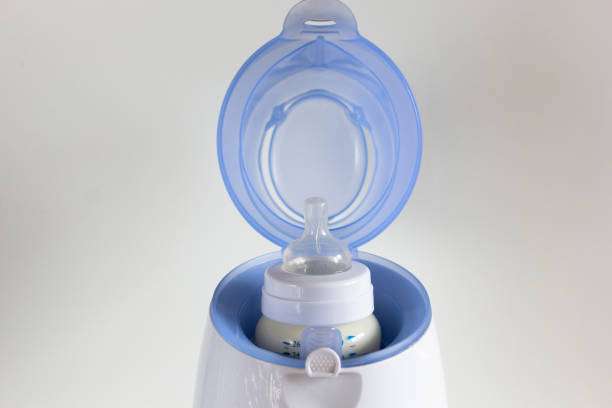
6. Adjust usage strategies according to the environment
Different seasons and room temperatures can affect heating effectiveness. In winter, when the water temperature is low, you can preheat the water tank or slightly extend the heating time. In summer, avoid holding the bottle warm for extended periods to prevent bacterial growth. When traveling, you can also choose a portable bottle warmer or one with a USB port, paired with an insulated bag, to ensure your baby can drink comfortably warm milk anytime, anywhere.
Conclusion: Tips to make use more intimate
What truly determines your user experience is whether you know how to “coordinate” with it. Mastering the details of water volume, temperature, time, and cleaning, while seemingly trivial, can make heating more precise and operation easier. In parenting, efficiency doesn’t mean rushing, but rather using smarter methods to make repetitive tasks more effortless. Let the bottle warmer become your good helper, not an additional hassle. This is the true meaning of an upgraded user experience.