From colostrum to solid feeding: A complete guide to bottle warmer temperatures as they change with age.

In the world of parenting, temperature often represents the fine line between safety and comfort. This is especially true during the feeding stage, from initial breast milk or formula to the gradual introduction of solid foods. Temperature control at each stage impacts a baby’s digestion, absorption, and oral adaptation. Bottle warmers are designed to alleviate the tedious task of reheating and measuring the temperature during each feeding phase, ensuring every bite is just right.
1. Colostrum stage (0-3 months): Protecting the temperature of immunity
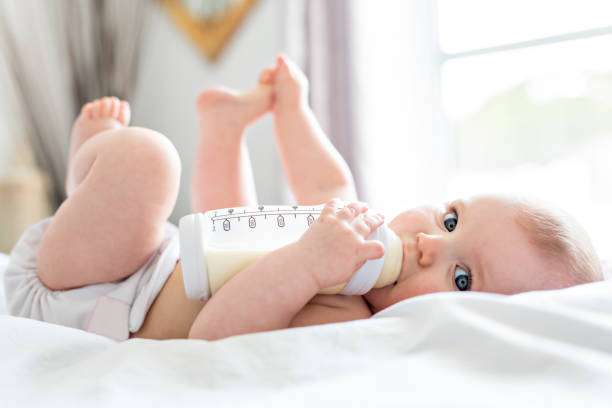
During the colostrum stage, babies’ digestive systems are immature, so feeding them is crucial to conserving nutrients and avoiding burns. The ideal feeding temperature for breast milk or formula during this period is around 37°C , close to body temperature, which helps the baby absorb and digest the milk smoothly.
When using a bottle warmer , it’s recommended to choose one with a constant temperature function, which automatically maintains a constant temperature. Frequent opening and repeated heating can damage nutrients, but a constant temperature function prevents temperature fluctuations and allows for easier nighttime feedings. For newborns, a mouthful of perfectly warm milk is more soothing to the baby’s heart and stomach than any complex feeding techniques.
2. Transition stage (3-6 months): Temperature stability is key
As babies gradually adjust to regular feedings, the milk temperature doesn’t need to be too “hot.” At this stage, 37°C is still the mainstream standard, but parents can adjust it appropriately between 35°C and 38°C based on their baby’s response.
Many bottle warmers have a dual mode of “rapid heating + constant temperature insulation”—especially useful for nighttime feedings. First, use the rapid heating mode to heat the milk to the target temperature, then automatically switch to the constant temperature mode to maintain the taste of the milk. For babies who often need multiple feedings, this can avoid the problem of bacterial growth caused by repeated cooling and reheating.
3. Early stage of adding complementary foods (6-9 months): Temperature challenges of various ingredients
When babies start trying solid foods like rice cereal and pureed vegetables and fruits, temperature control goes beyond simply controlling the temperature of the milk. Different ingredients require different heating temperatures: rice cereal is best at around 40°C, while vegetable or fruit purees are best kept lukewarm, around 35°C.
The key heating requirements at this stage are to preserve nutrients and avoid burns. The multifunctional bottle warmer offers a “solid food heating” mode that gently warms foods like porridge and pureed foods without damaging the vitamins.
It’s recommended to stir thoroughly after heating and test the temperature with the back of your hand to ensure an even temperature and avoid a “cold surface, hot inside” situation.
4. Supplementary feeding expansion period (9-12 months): gradual temperature adaptation period
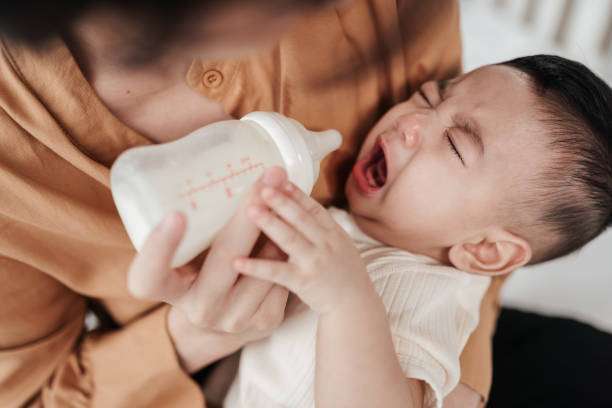
After nine months, a baby’s oral cavity and digestive system have matured, and the temperature of food can be adjusted appropriately, between 35°C and 45°C. At this stage, babies begin to try more complex textures, such as minced meat congee, egg custard, and pureed vegetables.
If using a bottle warmer , choose one with a temperature adjustment scale, allowing parents to flexibly adjust the temperature based on the food. For example, meat solids can be slightly warmed for safety, while fruit purees can remain lukewarm. As babies gradually accept room temperature food, the warmer’s function transitions from “maintaining temperature” to “assisting temperature control,” helping them make the transition from “bottle-temperature world” to “table temperature.”
5. Tips for adjusting temperature differences in different seasons
Besides age changes, ambient temperature can also impact the feeding experience. In winter, when the room temperature is low, the bottle cools quickly, so you can raise the heating temperature by 1-2°C. In summer, do the opposite to prevent your baby from sweating or becoming irritated by high temperatures.
If you’re using a smart bottle warmer , you can enable automatic temperature sensing. The device will automatically adjust the heating time based on the room temperature, reducing the hassle of repeated temperature testing.
6. The final temperature philosophy: not only heating, but also care
Every stage of parenting has its own unique temperature rhythm. From the gentle warmth of the first bottle of milk to the mild taste of solid food, a bottle warmer is more than just an appliance; it’s a form of precise and thoughtful care.
True parenting temperature isn’t just in the milk itself, but in every detail of temperature adjustment.