The pacifier is too hot! Don’t make mistakes with your bottle warmer : 3 key details to control temperature

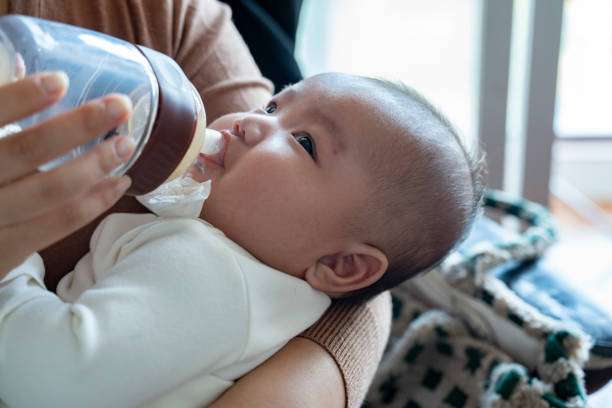
A bottle warmer is a must-have for every parent. It gently and evenly warms breast milk or formula, preventing the loss of nutrients from overheating. However, many parents encounter a frustrating problem when using one: the milk in the bottle may be perfectly warm, but the nipple is hot to the touch. Feeding a baby directly from the bottle can cause burns to the delicate oral mucosa.
Overheating a pacifier isn’t accidental; it’s the result of parents overlooking key physics and operational details when using a warmer. This article will delve into the causes of pacifier overheating and provide three key tips for controlling milk and pacifier temperature to ensure safe feeding for your baby.
Two main reasons why pacifiers overheat
The nipple is the top of the bottle and theoretically should not be hotter than the milk. However, there are two mechanisms that can cause the nipple to overheat:
The accumulation and condensation effect of hot steam: When a bottle warmer is operating, water is heated to produce steam. This steam collects at the top of the bottle warmer and around the bottle cap. When the steam encounters the relatively cool nipple, it quickly condenses onto its surface, forming hot droplets. If the bottle cap is not properly sealed or the nipple is exposed, the steam can directly heat the nipple material, causing it to reach a temperature far higher than the milk itself.
Heat conduction and the formation of “hot spots”: Although the heater is designed to heat evenly, heat is typically transferred from the bottom and sides of the bottle to the milk during the heating process. The nipple material conducts heat more slowly, but if the temperature inside the milk is uneven or overheated, the heat will surge upward, directly contacting and heating the inside of the nipple and the hole.
Make sure the pacifier is not involved in the “steam bath”
To control the temperature of the nipple, we must first control its contact with high-temperature steam.
Separate heating method: If conditions permit, before placing the bottle into the milk warmer, the nipple and bottle ring should be removed , and only the bottle body filled with milk should be placed into the heater. This can prevent the nipple from being directly exposed to high-temperature steam.
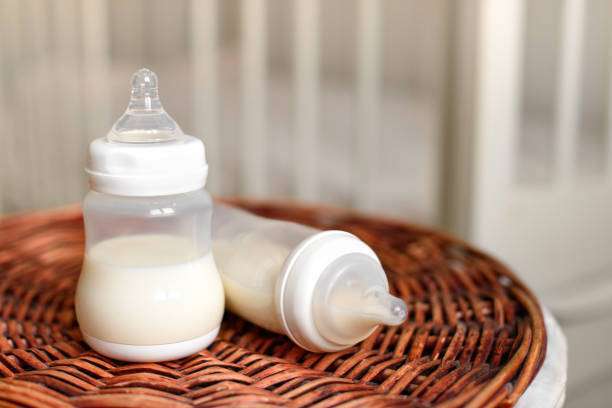
Use a sealing cap: If you cannot remove the nipple, make sure the bottle is tightly sealed with the milk storage cap or bottle cap . If you use a nipple or milk ring, cover it with a clean, dry cloth or use the dust cap that comes with the heater to prevent steam from directly contacting the nipple.
Control the water level: Make sure the water level in the milk warmer is lower than or at least not higher than the highest level of milk in the bottle . Too high a water level will cause more steam to accumulate at the bottle mouth, increasing the risk of heating the nipple.
The “Secondary Test Method” for Accurately Controlling Milk Outlet Temperature
Human body temperature sensing is not an exact science, and there is a temperature difference between the pacifier and the milk, so the traditional “inside wrist temperature test method” needs to be upgraded.
Double temperature test: After stopping the heating, remove the bottle. Step 1: Test the bottle’s outer surface with the inside of your wrist to ensure it’s warm, not hot. Step 2: Pour or squeeze out a few drops of milk and test the temperature on the inside of your wrist.
Nipple cooling and stirring: This is a key step in solving the problem of overheating the nipple. If the nipple surface or the milk temperature is too high, you should immediately remove the bottle and, while the bottle is still sealed, rinse it under cold water or place it in a bowl of cold water to quickly cool it down.
Release pressure: When milk is heated, the air inside the bottle expands, and the higher the temperature, the more rapid the expansion. Before feeding, loosen the bottle cap or nipple ring to release the heat and pressure inside the bottle , then re-tighten it. This action balances the temperature and pressure inside and outside the bottle, preventing the milk from suddenly “jumping out” due to high temperature and air pressure. It also helps the nipple temperature to become consistent with the milk.
Avoid “overheating” and “keeping warm for long periods of time”
Many parents mistakenly believe that raising the temperature of the milk warmer or extending the insulation time can ensure that the milk is warm, but this is precisely the hidden danger that leads to loss of milk nutrients and overheating of the nipple.
Set the correct milk warming temperature: High-quality bottle warmers typically have settings at 40°C (for warming milk) or 70°C (for preparing milk/food). Always use the 40°C constant temperature setting to warm milk. Stop heating when the milk reaches 37°C-40°C, which is closest to your body temperature and the ideal temperature for your baby.
Avoid hot spots: Never heat milk in a milk warmer for more than an hour . Prolonged heating can cause the water in the milk to evaporate, and heat can accumulate in certain areas, creating “hot spots” that not only destroy nutrients but also cause the milk and the part of the nipple that comes into contact with the milk to continue to heat up.
Regular descaling: Scale deposits on the bottom of the bottle warmer can affect the accuracy of the thermal sensor, potentially causing the heater to misjudge the temperature and overheat. It’s recommended to descale the bottle warmer every four weeks with a solution of white vinegar and water to ensure efficient heating and accurate temperature control.
Summarize
Overheating the nipple is a common safety risk during the bottle warming process, but by mastering and implementing the three key details mentioned above— isolating steam, performing double temperature tests and pressure reduction, and avoiding overheating — parents can completely eliminate this risk. Remember, using a bottle warmer to gently and evenly heat the bottle is the primary prerequisite for preserving the nutrients in the milk and protecting the baby’s oral health.