
I. The Real-World Needs of Mixed Feeding: The Complexity of Temperature Management
For many families, mixed feeding is a practical balancing act. On the one hand, breast milk provides natural immunity and nutritional protection; on the other hand, formula offers flexibility in terms of time and convenience. However, this “mixed model” also brings a new challenge—how to switch between the two milk sources without affecting the baby’s palatability and nutrient absorption. bottle warmer
In mixed feeding, breast milk usually needs to be heated after refrigeration or freezing, while formula needs to be kept at a constant temperature after preparation. The two liquids differ in temperature, composition, and storage methods, and improper heating can easily lead to nutrient loss or uneven temperature. In this case, a bottle warmer becomes an indispensable “little helper” in the family, but using it correctly is far more complicated than simply “pressing a button” and waiting a few minutes.
II. Key points for heating breast milk: gentle, even heating and preservation of nutrients.
The core value of breast milk lies in its active nutrients, including immunoglobulins, lactoferrin, and various enzymes. These substances are extremely sensitive to temperature; if heated too high, they will lose their original activity. Therefore, the primary principle for heating breast milk is “gentle warming.”
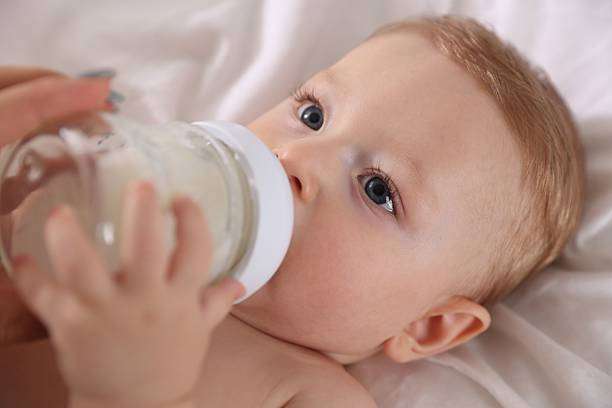
Placing refrigerated breast milk into a bottle warmer, select the “breast milk mode” or the low-temperature heating mode (usually around 37°C). Avoid using the “rapid heating” or high-temperature mode, as these can cause the temperature at the bottom of the bottle to rise above 50°C, potentially destroying some nutrients. After heating, gently shake the bottle to help distribute the temperature evenly, and then drop a drop of milk onto the back of your hand to test the temperature, ensuring it is “warm but not hot.”
Another often overlooked detail is the number of times breast milk is heated. If heated breast milk is not consumed within 2 hours, it should be discarded immediately and should not be reheated. Repeated heating accelerates bacterial growth and may also alter the fat structure, making it taste greasy.
III. Heating strategies for formula milk: Controlling temperature to preserve texture
The preparation process for formula milk is quite different from that for breast milk. When preparing it, it is usually necessary to use warm water at 40℃~50℃ to dissolve the milk powder. If it is too cold, it will clump, and if it is too hot, it will destroy the vitamins and prebiotics in the formula.
For families who need to keep bottles warm overnight or for extended periods, many parents place them in a bottle warmer to maintain a constant temperature. However, it’s important to note that the constant temperature mode is not a foolproof solution . Prolonged exposure to this temperature (over 1 hour) can cause the milk to oxidize, develop an off-taste, and increase the risk of bacteria. Therefore, it is recommended to feed the baby as soon as possible after each preparation and avoid leaving the bottle in the warmer for extended periods.
If your baby can’t finish the formula in one go, you can prepare it in two smaller bottles, reserving the smaller bottle for one feeding. Store the smaller bottle in the refrigerator and reheat it at a low temperature when needed. This method effectively avoids the formula being repeatedly heated and makes it easier to control the temperature of each feeding.
IV. Techniques for switching scenes: Dual-mode management of the same device
Modern bottle warmers often support multiple modes, but families who are combination feeding often overlook the device’s “temperature memory” feature. If the previous use was the high-temperature formula preparation mode, the remaining hot water should be emptied and the device restarted before heating breast milk to ensure that the inner tank temperature does not affect the heating process.
Use separate bottles or heating sink lids for breast milk and formula. This can reduce cross-contamination and allow for more precise heating. For bottle warmers with a constant temperature function, you can preset “breast milk” and “formula” settings for easy and quick operation at night and to reduce accidental activation.
In families where multiple caregivers share the feeding, a simple “heating reminder card” can be placed next to the heater, such as “breast milk heated to 37℃, formula milk heated to 40℃,” to prevent elderly people or caregivers from making mistakes when operating it.
V. Temperature Control Tips for Nighttime Feeding
Nighttime feedings are often the most challenging time to prepare. When babies cry, parents want to provide milk at the right temperature quickly. To address this, breast milk can be transferred from the freezer to the refrigerator beforehand, significantly reducing waiting time when heating it at night. For formula, warm water can be prepared in advance and kept warm at around 40°C using a heater.
a bottle warmer with a constant temperature function; you can set it to “keep warm” mode before bedtime, but this should be limited to no more than 2 hours. After this time, be sure to change the water to warm it to prevent bacterial growth in the heating chamber. For families who need to feed multiple times at night, a two-bottle rotation system can be chosen, with one bottle heated and the other kept as a backup, making the feeding process smoother.
VI. Safety and Cleanliness: The Neglected Yet Crucial Aspects
Although small, the hygiene of a bottle warmer directly affects your baby’s health. After each use, empty the remaining water from the heating element and wipe the inside dry with a clean towel to prevent limescale buildup. A deep cleaning can be performed weekly with citric acid or white vinegar to prevent a decrease in heating efficiency.
At the same time, pay attention to power safety. Avoid leaving the bottle warmer plugged in for extended periods, especially after nighttime feedings; it’s best to turn it off promptly. If you notice uneven heating or abnormally prolonged heating time, stop using it immediately and inspect it.
VII. Balancing Technology and Intuition: Parents’ Sensitivity to Temperature
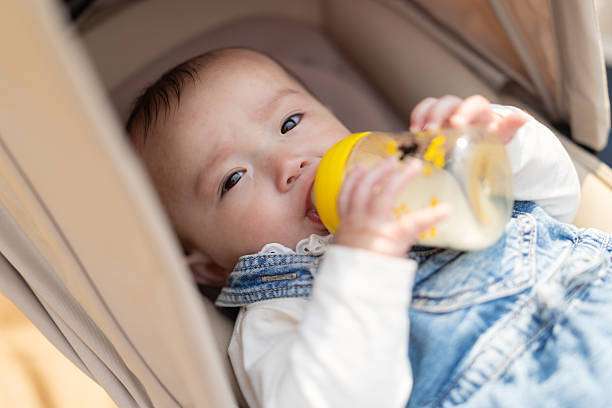
While bottle warmers can significantly improve parenting efficiency, they cannot completely replace parents’ ability to judge temperature. Every baby’s perception of their “comfort zone” is slightly different; some prefer slightly warmer temperatures, while others prefer closer to body temperature. Parents can gradually discover the most suitable temperature range for their baby by observing their sucking speed, facial expressions, and post-feeding reactions.
Only by combining scientific equipment with keen intuition can mixed feeding truly achieve “science and love in tandem.” A bottle warmer is a tool, but the attention and understanding of parents are the most precious warmth in feeding.
Conclusion
For families that are combination feeding, balancing breast milk and formula is not just about choosing between different nutrients but also about coordinating the “temperature.” The correct use of a bottle warmer not only ensures that babies drink safe and comfortable milk but also helps parents reduce anxiety and improve efficiency in their busy daily lives.