
With each stage of a baby’s growth, feeding needs change, and bottle warmer usage should be adjusted accordingly. If parents continue to use the same method as before, they risk nutrient loss, waste, and even increased safety risks. Based on pediatric expert advice and practical parenting experience, the following details the key points for using a bottle warmer at different stages of life.
Neonatal period (0-3 months): Accurate temperature control is the most critical
Newborns have small stomachs and immature nervous systems, making them extremely sensitive to milk temperature. Even a temperature difference of just two or three degrees can affect a baby’s appetite. Many parents experience this at night: even when holding their baby in the early hours, even the slightest deviation in milk temperature can cause the baby to cry.
Experts recommend using a heater with precise temperature control for newborns to ensure a stable milk temperature without overheating. While the heater is used more frequently, its primary purpose is to ensure accurate temperature and convenient operation , rather than pursuing extreme heating speed.
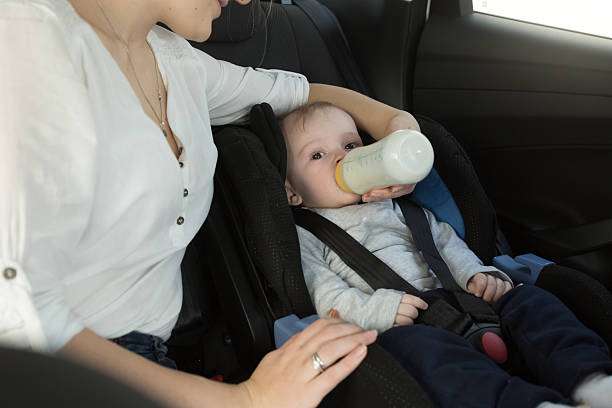
Early infancy (4-6 months): Pay attention to the time limit of the insulation function
As babies develop a regular sleep and rest routine and their nighttime feedings decrease, parents gradually shift their use of heaters from nighttime to daytime. Portable heaters can maintain milk temperature when babies are out and about, but many parents overlook the “holding time” requirement.
Pediatric guidelines indicate that formula at room temperature or constant temperature for more than two hours poses a risk of bacterial growth. Therefore, the focus of warmers at this stage is on short-term warmth retention and on-demand preparation , rather than maintaining warm milk for extended periods. Preparing small portions of formula in batches is safer than preparing multiple bottles at once.
Late infancy (7-12 months): Reduce frequency and focus on nutrient retention
After 7 months, the proportion of complementary foods increases and the amount of milk decreases. Many parents will repeatedly heat leftover milk to save trouble, but this will not only destroy the active nutrients in the formula milk, but may also make the taste worse.
During this stage, the role of a warmer shifts from a necessity to an auxiliary tool. Scientific advice recommends reheating small amounts frequently to ensure the right temperature and minimize nutrient loss. Even if your baby’s sensitivity to temperature is no longer as strong, frequent reheating should be avoided.
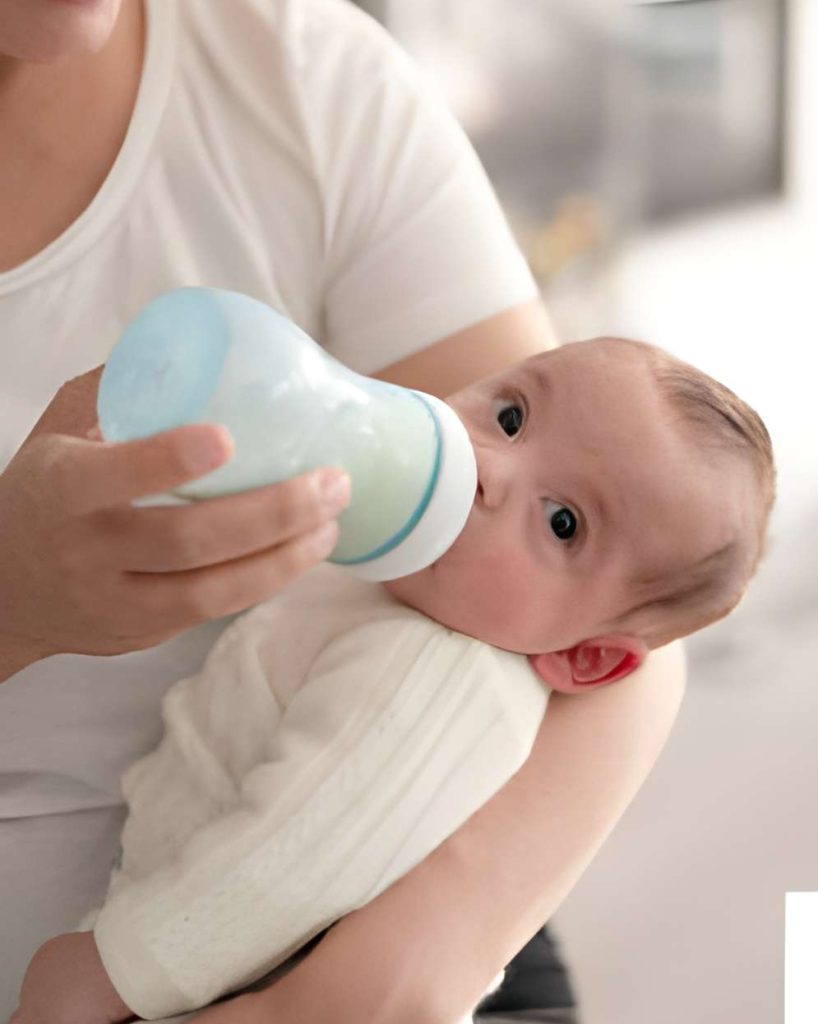
Early childhood (over 1 year old): occasional use, extended family value
After the age of one, most babies gradually wean themselves off breast milk and bottle use decreases. A warmer is no longer a daily necessity, but it still has its uses in specific situations: occasional soothing at night or heating milk or solid food when traveling.
Some experienced parents transform the heater into a multi-purpose small appliance for warming milk, juice, or baby food puree. While using it less frequently, more attention should be paid to cleaning and regular disinfection to prevent bacterial growth.
Summarize
Babies at different stages have very different needs for bottle warmers :
Neonatal period : precise temperature control to ensure speed and safety.
4-6 months : The heat preservation function should be time-limited and mainly used for short-term outdoor use.
7-12 months : Reduce the number of heating times to avoid secondary heating which may destroy nutrients.
Over 1 year old : Occasional use, expand to household auxiliary use, while paying attention to cleaning.
Understanding these changes can help parents adjust their bottle warmer usage habits, ensuring their baby’s food safety while also making daily feedings easier and more efficient. The bottle warmer itself isn’t the key; scientific, safe, and flexible usage is key to accompanying your baby’s growth .