Bottle warmer reveals a striking difference in heating breast milk between 2 methods: how much longer does it take to heat refrigerated milk compared to room temperature?

1. Why is there such a big difference in heating time between refrigerated and room temperature breast milk, even though they are both breast milk?
Many new parents often encounter the same problem when preparing to feed their babies at night: when using a bottle warmer to heat breast milk, sometimes it only takes a few tens of seconds, but sometimes it feels like they have to wait a lot longer. Seemingly the same equipment, the same bottle, and the same feeding procedure, the heating time can vary significantly. The core reason for this difference is often not the equipment itself, nor the operation method, but the initial temperature of the breast milk.
Once extracted, breast milk stored at room temperature typically starts at around 20 degrees Celsius, while breast milk taken from the refrigerator usually falls between 4 and 8 degrees Celsius. This temperature difference can easily reach 10 to 20 degrees Celsius or more. A bottle warmer must first bridge this temperature gap to raise the breast milk to a safe drinking temperature of around 37 degrees Celsius. In thermodynamics, the greater the temperature difference, the higher the energy required for heating; therefore, refrigerated breast milk will obviously take longer to heat than room temperature breast milk.
However, parents often perceive this difference not merely as a numerical discrepancy, but as a shift in the rhythm of childcare. Especially during nighttime feedings, even a minute’s extra wait can cause already exhausted parents to become anxious, and prevent a hungry, crying baby from being soothed promptly.
Therefore, the difference in heating time is not just a matter of engineering principles, but also a matter of managing the rhythm of family life. Many families feel that “heating refrigerated breast milk is so slow” not because it is actually particularly time-consuming, but because the actual situation amplifies this time: changing diapers, soothing the baby, preparing the bottle, warming the milk—each step is infinitely lengthened when parents are already exhausted.
Therefore, when we truly discuss how much longer refrigerated breast milk lasts compared to room temperature breast milk, we are actually discussing the superposition of a set of scientific data and a real-life experience. To understand this in depth, we must observe from multiple perspectives, including thermodynamics, bottle material, heating method, breast milk volume, and the external environment, to see the true picture behind this difference.
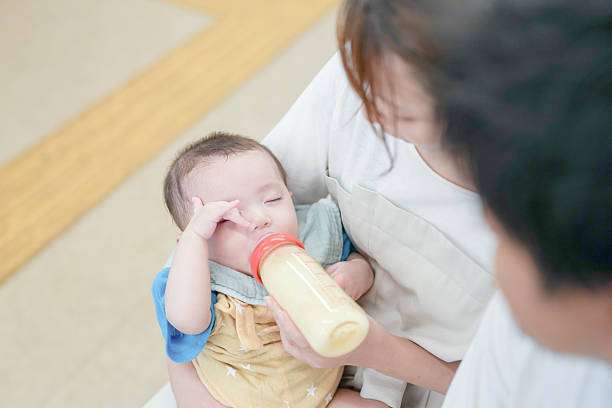
II. Thermodynamic Reality: Temperature Difference and Heat Absorption Determine Heating Rate
The core physical factors affecting the heating rate of breast milk come from two key points: initial temperature and total heat absorption. In thermodynamics, for a liquid to rise from a certain temperature to a target temperature, it must absorb sufficient heat energy. Refrigerated breast milk has a lower initial temperature, meaning it must absorb more heat than room temperature breast milk. Therefore, the bottle warmer needs to work longer, which is the primary reason why refrigerated breast milk generally heats up more slowly.
However, what many parents don’t know is that breast milk is not simply a “liquid,” but a complex mixture containing fat, protein, lactose, electrolytes, water, and a variety of micronutrients.
These components affect how it absorbs heat and the uniformity of heating. The fat in breast milk coagulates at low temperatures, making refrigerated breast milk absorb heat more slowly in the initial stages of heating, much like how cold butter melts slowly when exposed to hot water. This melting period prolongs the overall heating process, making refrigerated breast milk more difficult to heat up quickly than room temperature breast milk.
In addition, the material of the bottle also determines the rate of heat absorption. Glass bottles absorb a large amount of heat rather than transferring it to the breast milk in the initial stages of heating, so refrigerated breast milk will heat more slowly in a glass bottle; plastic bottles conduct heat much faster, so the difference is smaller. Even with the same amount of breast milk, the heating speed will differ depending on the bottle material. When parents think it’s a problem with the breast milk, the bottle itself is actually subtly influencing the heating results.
In addition, the structure of the bottle warmer itself also affects the heating time. Traditional water bath bottle warmers require raising the water temperature first, and then using the hot water to warm the breast milk. Therefore, heating refrigerated breast milk involves a two-stage process: “water first heats up, then breast milk heats up.” Steam-type or precisely temperature-controlled bottle warmers , on the other hand , directly conduct heat to the outer wall of the bottle, making the heating process much faster. The time difference between different bottle warmers may be mistaken by parents as “refrigerated breast milk is slower,” but it is actually a result of the combined heating methods.
Therefore, to understand the difference in heating time between refrigerated and room temperature breast milk, it is essential to recognize that this process is not determined by a single variable, but rather by a thermodynamic collaboration involving the bottle, breast milk, their own temperature differences, and the bottle warmer .
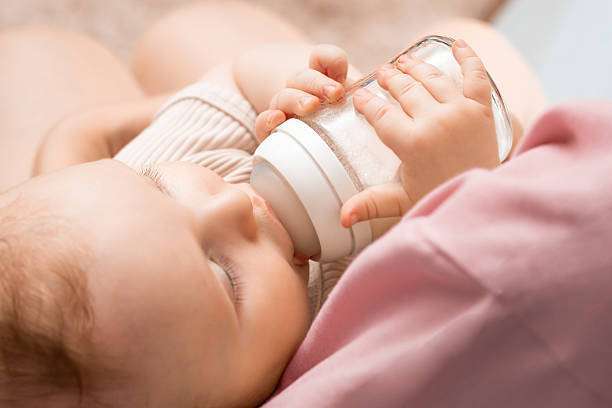
III. How much longer does refrigerated breast milk last compared to room temperature breast milk? The real difference is far greater than intuition suggests.
Many parents want a definitive answer: how long exactly? While different bottle warmers , bottles, and amounts of breast milk can cause variations, significant trends can still be observed from the experiences of numerous families.
Generally speaking, when heating breast milk to around 37 degrees Celsius, which is close to body temperature, room temperature breast milk typically takes only about 30 seconds to 1.5 minutes to heat if the amount is around 100 ml, while refrigerated breast milk may take 2 to 3 minutes. When the amount of breast milk increases to 150 ml or even 200 ml, the heating time for refrigerated breast milk may extend to more than 4 minutes, or even more than 5 minutes, while room temperature breast milk can still be heated in less than 2 minutes, showing a very significant difference.
This difference stems not only from the initial temperature but also from factors such as the coagulation of fat in refrigerated breast milk, the lower temperature of the bottle walls, and the faster drop in water temperature in the bottle warmer . Especially in households with frequent bottle warming, the bottle warmer itself may not have fully warmed up after recent use, further extending the heating time for refrigerated breast milk.
Many parents experience that refrigerated breast milk “takes at least twice as long,” a judgment that is very close to reality. In most households, the same amount of breast milk stored in the refrigerator typically takes one to three times longer to heat than breast milk stored at room temperature.
However, it’s particularly important to emphasize that in the exhausting situation of nighttime breastfeeding, every minute spent heating refrigerated breast milk is magnified by parents, as the baby’s cries and the stress of the night make the wait even more unbearable. This leads many families to feel that refrigerated breast milk is heating “particularly slowly,” and even suspect that there’s something wrong with the bottle warmer . In fact, this psychological perception combined with the actual time difference makes heating time one of the sources of stress for new parents.
IV. Hidden variables affecting heating speed: From bottle material to bottle warmer settings, all influence the outcome.
Besides the initial temperature of breast milk, many external factors can affect the performance of a bottle warmer , increasing the difference between refrigerated breast milk and room temperature breast milk.
The material of the bottle is the biggest hidden variable in bottle warmers . Glass bottles have a much larger heat capacity than plastic bottles. During the heating process, glass bottles absorb some heat first, and only begin to transfer heat to breast milk after the bottle itself has warmed up.
Therefore, refrigerated glass bottles need to be “warmed up” before the breast milk temperature begins to rise significantly, which naturally takes longer. Plastic bottles, on the other hand, enter the heat transfer phase more quickly, reducing the time difference between room temperature and refrigerated breast milk. Many parents don’t pay attention to this when buying a bottle warmer , leading them to mistakenly believe that the device’s power is insufficient, when in fact it’s a genuine thermodynamic difference.
in a bottle warmer also affects heating efficiency. With traditional water bath systems, adding too much water will cause a significant drop in temperature when the refrigerated bottle is placed inside, making the reheating process longer; if the water level is too low, heat transfer will be insufficient, slowing down the warming rate of the breast milk. Many families often forget to adjust the water level in their haste, unknowingly prolonging the heating time of refrigerated breast milk.
The ambient temperature also affects the result. In winter, the temperature in the kitchen or bedroom may only be in the teens, and all equipment, bottles, water and even air will get cold, making it more difficult for refrigerated breast milk to warm up quickly; while in summer, room temperature breast milk may be close to 25 degrees or even higher, so the heating time is naturally shorter.
a bottle warmer also determines the heating speed. Some devices use a “low temperature, slow rise” method to gradually heat the milk in order to avoid destroying its nutrients; while others tend to heat quickly and then cool down. These different heating curves result in significant differences in the heating experience for different families, making some parents feel that “refrigerated breast milk is extremely difficult to heat,” while other families do not find it troublesome.
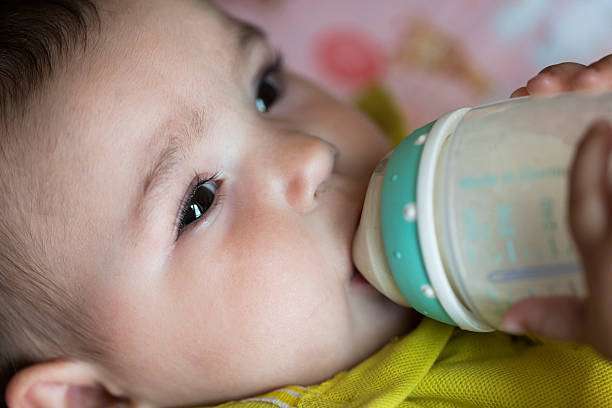
Fifth, from the perspective of family rhythm: the time difference truly affects the parents’ nighttime burden.
Heating refrigerated breast milk takes longer than heating it to room temperature. It may seem like just a few minutes’ difference, but in real-life parenting, bottle warmers affect more than just the waiting time. They disrupt the entire family’s nighttime rhythm and impact the parents’ physical and mental well-being.
When a baby wakes up crying at night, parents must quickly determine whether feeding, diaper changing, and comforting are needed—all done in a semi-conscious state. If the breast milk is refrigerated, the bottle warmer needs to be used to reheat it, forcing parents to endure the “most difficult waiting period.” Waiting three minutes in the dark, exhausted, and amidst crying is more agonizing than waiting five minutes during the day, because human tolerance is extremely low at night.
Moreover, when families are raising twins or multiple babies, the difference in heating time becomes even more pronounced because there is a larger volume of breast milk to be heated, and the heating process is more frequent. While parents may think the difference is only “about a minute,” in reality, it can escalate into “spending more than ten minutes every night.” The sleep deprivation and stress caused by this accumulation over time are the real killers of slow heating of refrigerated breast milk.
Therefore, many families choose to move breast milk from the refrigerator to room temperature overnight to shorten the heating time; some families use a larger capacity or faster bottle warmer at night ; and some even choose to feed formula at night because it can be prepared immediately without waiting to be heated. These parenting strategies all revolve around “reducing nighttime waiting time.” The difference in heating time for refrigerated breast milk is not just a data issue, but a matter of family patterns.
VI. Conclusion
When we take all the factors into account, we find that the difference between heating breast milk at refrigerated and room temperature is not an exaggeration, but rather the result of a series of scientific realities and family experiences. Refrigerated breast milk has a lower initial temperature, the fat coagulates, and the bottle temperature is also lower. In addition, the temperature control curve of a bottle warmer makes the heating speed one to several times slower than that at room temperature.
But what truly makes parents feel the “astonishing difference” is the accumulated stress in real-life parenting situations. At night, when the baby cries, parents are exhausted, and the family needs efficiency, even an extra minute or two can change the entire breastfeeding experience. This amplifies the importance of the speed at which refrigerated breast milk is heated, leading many families to seek faster and more stable heating methods.
Therefore, when we discuss how much slower refrigeration takes compared to room temperature, we are actually trying to understand the real needs that are amplified in every moment of family life. The role of a bottle warmer is not only to raise the temperature, but also to help parents find a sense of control and order in the chaotic rhythm of parenting.