Bottle warmer secrets revealed: 5 common room temperature environments and significantly different heating effects.

In the cold winter, every parent wants their baby to be able to quickly drink warm milk. However, many parents overlook a crucial factor—room temperature changes have a significant impact on bottle warmer performance. Even when using the same high-end warmer, the milk temperature a baby drinks can vary noticeably. This article will detail how the heating effect of a bottle warmer changes under five common room temperature conditions and provide scientific coping strategies to help parents maintain a stable milk temperature during winter, allowing their babies to drink with greater peace of mind.
The principle that room temperature affects heating efficiency
Bottle warmers typically rely on direct heat transfer via a water bath or heating wire. However, room temperature variations affect the heater’s heat transfer efficiency. At lower room temperatures, the heater needs to consume more energy to overcome ambient heat loss, resulting in longer heating times. Conversely, at higher room temperatures, heat loss is lower, leading to faster heating. Furthermore, room temperature also affects the stability of the heater’s water temperature and the accuracy of the temperature sensor, thus influencing the final temperature of the milk.
Once parents understand this principle, they can consciously adjust their usage strategies instead of simply relying on the heater to automatically adjust the temperature.
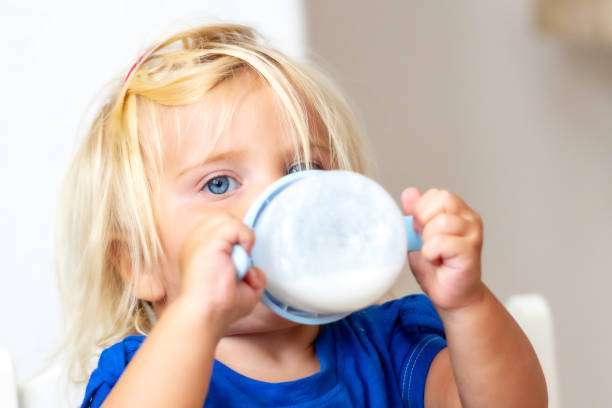
Heating challenges in low-temperature winter environments
In winter, room temperature often drops below 20°C, especially in northern regions or in rooms where air conditioning is off. At this time, bottle warmers face two main challenges: slower heating speed and increased temperature fluctuations. Due to the low ambient temperature and rapid heat loss, the surface of the milk may reach the target temperature during heating, while the inside remains cool. This uneven heating not only affects the baby’s taste but can also cause discomfort during feeding.
To cope with low temperatures, parents are advised to let the bottle return to room temperature slightly before heating or use a temperature-controlled mat to reduce heat loss. After heating, shake the bottle well to ensure even temperature distribution.
Heating performance under moderate room temperature conditions
When the room temperature is between 20°C and 25°C, most bottle warmers can achieve their designed heating efficiency. Within this temperature range, the absorption and loss of heat by the environment are in balance, the heater does not require additional energy, and the milk temperature is stable and even. Parents can confidently set the heating time according to the instructions but should still shake the milk well to avoid localized overheating or cooling.
A moderate room temperature is ideal for bottle warmers to perform at their best, so try to keep the feeding area within this temperature range, which is especially important for use in winter.
Unexpected effects of high-temperature environments
Many parents haven’t considered that when the room temperature is high, such as in a heated room or under direct sunlight, the bottle warmer heats up exceptionally quickly. While this may seem advantageous, it can actually lead to the milk being overheated or heated for too short a time, resulting in uneven temperatures. In some high-temperature environments, the temperature sensor may trigger the automatic shut-off prematurely, preventing the heater from ensuring the milk reaches a uniform temperature.
In this situation, parents can appropriately shorten the heater setting time and test the milk temperature with the back of their hand after heating to ensure the baby’s safety. Remember, do not rely solely on the heater’s indicator light; temperature verification still requires manual confirmation.
Multifunctional bottle warmer and environmental adaptability
Modern multi-functional bottle warmers typically feature constant temperature, rapid heating, and heat preservation functions, but ambient temperature remains a crucial factor affecting their performance. Heating schedules provided by manufacturers are usually measured under standard conditions of approximately 22°C room temperature; however, actual usage may vary depending on whether the room temperature is higher or lower. Some high-end heaters have added ambient temperature detection capabilities, automatically adjusting their heating strategy based on room temperature to reduce errors.
A bottle warmer that suits your home environment, and using it in conjunction with room temperature factors, is the only way to truly ensure heating efficiency and breast milk safety.

Room temperature fluctuations and baby’s feeding experience
Besides static room temperature, alternating high and low temperatures can also affect bottle warmer performance. For example, turning on or off indoor heating, sunlight exposure, or window ventilation can all cause short-term fluctuations in room temperature. In such cases, the heater may frequently adjust the heating time or temperature, leading to significant fluctuations in milk temperature and affecting the baby’s drinking experience. The baby may refuse to drink or feel uncomfortable, and parents may experience anxiety.
The solution is to keep the feeding environment temperature as stable as possible and reduce room temperature fluctuations. For example, avoid using heaters near windows or in areas directly exposed to heat, and use the insulation function of a thermos or heater to prolong the time it takes for the temperature to stabilize.
Usage suggestions and scientific countermeasures
bottle warmer performance In different room temperature environments, parents can take the following scientific measures:
First, prepare the bottles in advance and allow the milk to reach near room temperature to reduce the load on the heater. Second, shake the milk well to ensure a uniform temperature. Third, select the appropriate heater function; in low-temperature environments, use the keep-warm mode, and in high-temperature environments, shorten the heating time. Furthermore, maintaining a stable feeding environment temperature and avoiding sudden temperature changes are also crucial for ensuring a stable milk temperature.
With scientific solutions, bottle warmers will perform more reliably, ensuring babies always have warm and comfortable milk, giving parents greater peace of mind.
Summarize
A bottle warmer is not entirely determined by the product itself; ambient temperature plays a crucial role. This article analyzes the performance differences of bottle warmers under five common room temperature conditions, from low to high winter temperatures and from static to fluctuating environments, and provides scientific usage strategies. By understanding the relationship between room temperature and heating efficiency and adjusting the operation method accordingly, parents can maximize the effectiveness of the bottle warmer and ensure their baby’s safety and comfort. The first bottle of milk in winter will then no longer be a source of anxiety but rather a warm and reassuring comfort.