a bottle warmer for premature and low-birth-weight babies : A guide to feeding temperature control

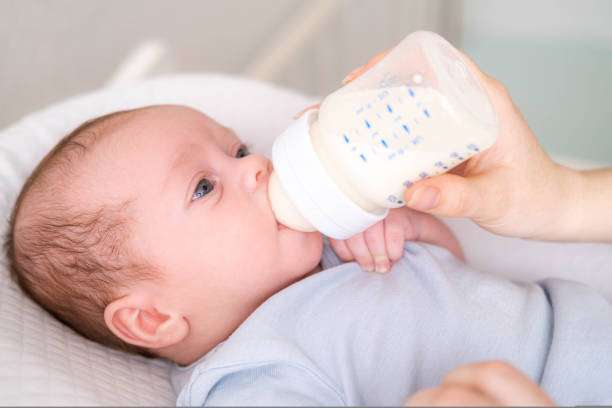
For premature or low-birth-weight babies, feeding isn’t just about ensuring they’re full; it’s also about maintaining a precise temperature. Unlike full-term infants, their body temperature regulation is immature, and their gastrointestinal tract is more fragile. A slightly higher milk temperature can cause indigestion, while a slightly cooler temperature can lead to bloating or even milk refusal. Therefore, precisely controlling milk temperature with a bottle warmer is a primary concern for many parents when caring for their premature babies.
Why are premature babies more sensitive to milk temperature?
Premature or low-birth-weight babies have immature metabolic systems. Their thin skin, rapid heat dissipation from the body surface, and slow gastrointestinal motility make them particularly sensitive to temperature fluctuations.
Research shows that the optimal milk temperature range for premature infants is
35-37°C . This temperature is close to the natural temperature of breast milk in the body and helps the stomach better accept food. If the milk temperature is below 33°C, babies are more likely to experience interruptions in sucking and refusal to feed. Temperatures above 40°C not only destroy some nutrients but can also irritate the immature oral and esophageal mucosa.
This also explains why using a bottle warmer is more suitable than traditional hot water immersion: it can maintain the temperature in a more stable and controllable manner , avoiding the risks brought by temperature differences.
Choosing the right bottle warmer : accuracy and stability are key
For premature babies, the faster the heater, the better. Heating too quickly may cause the outer layer to be too hot while the center is still cool, resulting in a “hot outside and cold inside” situation.
When choosing a heater, you can focus on the following three points:
Constant temperature control capability : Select a heater that can accurately maintain the temperature within the range of ±1°C and support real-time temperature display or digital adjustment.
Temperature calibration function : Some high-end heaters support manual calibration, allowing parents to make fine adjustments based on actual thermometer data.
Water bath heating is better than steam heating : the temperature rises more evenly in water bath heating, and it is less likely to have large temperature differences.
A good bottle warmer should allow you to “safely replicate” the natural temperature of breast milk at any time, rather than repeatedly testing the temperature of the milk.
Temperature confirmation steps before feeding
Even with a high-precision heater, manual confirmation before feeding is still a necessary step.
You can follow the following process:
Shake the milk thoroughly to avoid local temperature differences.
Drop test method : drop a few drops of milk on the inside of your wrist. If it feels slightly warm but not hot, it is suitable.
Constant temperature standby : If your baby has not eaten for a while, you can use the heater’s “keep warm mode” to maintain 37°C for no more than 30 minutes.
Also, please note that premature babies typically have shorter feeding intervals and smaller amounts of milk than full-term babies. Parents are advised to reheat the milk in small amounts as needed, rather than reheating the milk repeatedly to avoid nutrient loss caused by repeated heating.
The difference between heating breast milk and formula
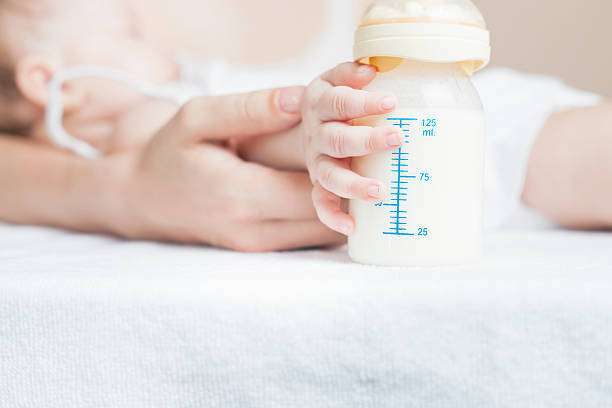
Premature babies typically receive fortified breast milk or premature formula, and the two types of milk are heated slightly differently:
Breast milk storage bags : It is recommended to use water bath heating and ensure that the bag is completely immersed in water but not in contact with the heating wall.
Formula milk : First mix it with warm water at about 45℃, then put it into the heater to keep the temperature at 37℃. It is not advisable to mix it directly with cold water and then heat it for a long time.
If breast milk has been frozen, it needs to be thawed naturally in the refrigerator first, and then heated with a heater to avoid sudden heat that may cause the fat layer to separate.
Tips:
It is recommended to use purified water for heating to reduce the impact of scale accumulation on temperature sensing.
Remove the bottle immediately after heating to prevent it from continuing to heat up and causing overheating.
Clean the heating cavity once a week by soaking it with citric acid or white vinegar to remove limescale.
Check the temperature sensor regularly . If you find that the heating speed slows down or the constant temperature fluctuates, replace it in time.