
A bottle warmer is an essential small appliance for many parents. While seemingly simple, it fulfills the crucial task of ensuring your baby’s milk is perfectly warm every time they drink. However, many people notice slow heating, unstable temperatures, and even an unpleasant odor after a year of use. These symptoms aren’t coincidental; they’re signs of heater aging. Below, we’ll examine five typical warning signs of aging in a bottle warmer after a period of use, helping you determine whether it’s time for repair or replacement.
1. The heating speed is significantly slowed down
newly purchased bottle warmer usually has a very high heating efficiency, and it only takes a few minutes to go from cold water to warm milk. However, after using it for a period of time, if you find that the same amount of water takes longer to heat to the set temperature, this is often caused by aging of the heating element or internal scaling . Especially in households using tap water, scale will gradually deposit on the heating plate or heating tube, hindering heat conduction and making the machine more and more “sluggish”.
The solution is to descale regularly, such as cleaning the interior with citric acid or vinegar water. If the problem persists after descaling, it may mean that the power of the heating element has decreased, and you need to consider replacing the device.
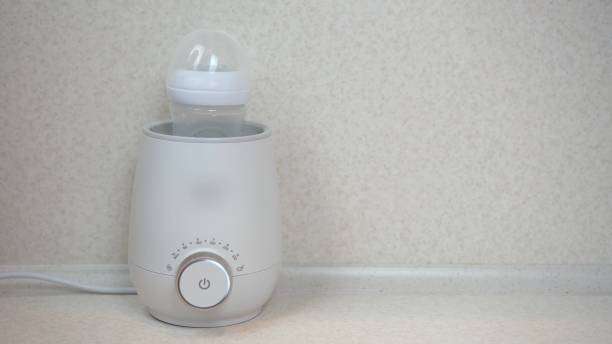
2. Temperature control is not accurate at the beginning
a bottle warmer is its temperature control system. Over time, the temperature sensor’s sensitivity decreases , causing the warming temperature to be too high or too low. This can manifest as the warming system automatically stopping before the water reaches a point where it’s too hot, while continuing to heat until it’s too hot.
This not only affects the user experience but can also result in your baby drinking overheated or overcooled milk. Especially for newborns, overheated milk can cause oral burns. If you frequently need to manually check the temperature to ensure it’s just right, the warmer’s temperature control system is deviating, a clear sign of aging.
3. Odor or noise occurs during heating
A “burnt” or “plastic” smell during heating usually indicates aging of the internal circuitry, seals, or plastic components due to prolonged high temperatures . Similarly, if you hear a buzzing or popping sound that wasn’t there before, it could also be due to poor contact in the heating tube or loose wiring.
These issues should not be ignored, as they not only affect heating efficiency but also pose a safety hazard. Stop use immediately if there’s an odor accompanied by smoke or if the outer casing becomes hot. Parents can disassemble the base to check for burn marks or deformation. If so, it’s best to replace the heater with a new one.
4. Water stains or corrosion on the heating chassis
Prolonged contact with water, especially when left behind during cleaning, can easily lead to corrosion of the chassis or internal metal components. You may notice water stains, rust spots, or even minor leaks on the bottom of a
bottle warmer . These symptoms indicate a weakening of the waterproof seal . Once moisture penetrates the circuit boards, it can cause a short circuit or temperature control failure. It’s recommended to dry the bottle warmer thoroughly after use. If rust has already occurred, the device should be repaired or replaced as soon as possible to prevent further damage.
5. Operation is slow to respond or buttons are malfunctioning
Over time, the sensitivity of buttons, knobs, or touch panels can decrease. Some buttons may require multiple presses before responding, and sometimes the indicator light will illuminate without heating. This is often due to poor electrical connections or an aging control panel .
While less obvious than a heating failure, these issues can affect the user experience and indicate the gradual aging of the internal circuitry. For heavily used households, this is often a sign that the device is nearing the end of its lifespan.
How to extend the service life of bottle warmer
Aging cannot be completely avoided, but daily maintenance can effectively delay it:
Regular descaling : We recommend a light cleaning every two weeks and a thorough descaling every month.
Keep dry : Wipe the bottom and shell dry after each use to prevent water corrosion.
Avoid overloading : When heating multiple times continuously, give the machine some time to cool down.
Use filtered water : reduces scale formation and protects heating elements.
Check electrical cords and plugs regularly to prevent safety issues caused by aging.
a bottle warmer may be just a small appliance, it’s crucial for your baby’s food safety and the convenience of your home. Don’t wait until it breaks down to identify any issues. Learn to recognize signs of aging and promptly maintain or replace it for safe, secure, and reliable heating every time.