
For new parents, unexpected nighttime cries from babies are commonplace. Whether a bottle warmer can quickly deliver warm milk directly impacts parental anxiety. Of the two common bottle warmer usage modes—pre-heating and instant heating—which saves more time? Today, we offer an in-depth analysis based on our own experiences.
Constant temperature mode: peace of mind that’s always available
Constant temperature mode allows you to place the bottle in the warmer ahead of time to keep the milk at the ideal temperature. The most obvious advantage is that it’s always ready. This is especially true at night when a baby suddenly wakes and cries. Parents can feed immediately without having to wait several minutes for the warming process. This convenience not only saves time but also helps soothe babies quickly and reduce crying.
However, constant temperature mode does have some minor issues. If your baby doesn’t feed on schedule, the milk may remain warm for a long time, which can affect the taste and slightly increase power consumption. Therefore, constant temperature mode is best suited for families with regular feeding times or parents who want to respond quickly to their baby’s needs at night.
Instant heating: energy-saving and flexible options
Instant heating mode heats the bottle only when needed, quickly bringing the milk to the ideal temperature. This mode offers the advantage of energy conservation, as it prevents the milk from remaining warm for extended periods, and its quality is not affected by prolonged storage. For families with irregular daytime schedules or those with long intervals between feedings, instant heating mode offers greater flexibility and minimizes energy waste.
Of course, there is one caveat to instant heating: parents need to allow a few minutes for the heater to heat up before the baby starts crying, otherwise it might be a bit scrambled in an emergency. However, as you become familiar with the heater’s function, these few minutes of waiting can be shortened by preparing water in advance or using the quick mode.
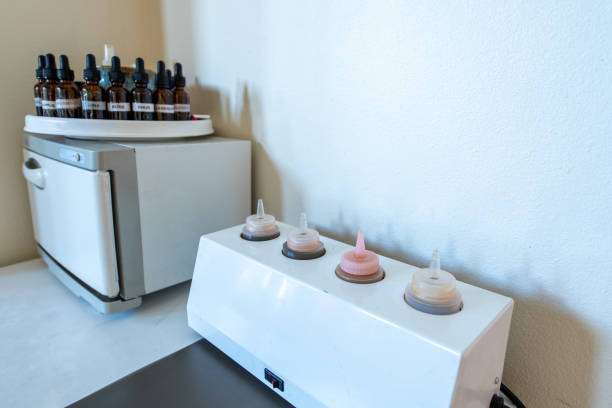
Balance between time and energy efficiency
From a time-saving perspective, using constant temperature mode at night significantly saves effort, while instant heating during the day is more energy-efficient. Parents can flexibly choose between these two modes based on their baby’s sleep and sleep patterns and their family schedule. For example, if a baby has regular feeding times at night, setting the temperature in advance can shorten feeding times. During the day, if a baby has flexible feeding times, instant heating can save energy without disrupting their daily schedule.
The impact of temperature stability on baby’s experience
Milk temperature is crucial for babies, directly impacting their feeding experience and mood. Constant temperature mode maintains a consistent temperature for every feeding, helping babies adapt quickly and reducing milk refusal. Instant heating can also achieve the ideal temperature if performed properly, but parents need to manage the heating time and milk volume ratio to avoid overheating or overcooling.

How to reasonably match the two modes
In reality, many families choose a hybrid approach: instant heating during the day and constant temperature mode at night. This saves energy while ensuring a quick response for nighttime feedings, fully utilizing the bottle warmer ‘s convenience. Mastering a proper usage rhythm, along with some tips like pre-heating the bottle or using the timer function, can make feedings smoother.