Don’t let your bottle warmer become a breeding ground for bacteria: Cleaning guidelines for different materials

A bottle warmer has become a must-have for new parents, especially during those early morning feedings, ensuring warm milk is always on hand. But have you ever experienced a strange smell when you left the bottle warmer overnight? It’s more than just a whiff— if your bottle warmer isn’t clean, it can actually be a breeding ground for bacteria.
You may not notice the consequences of uncleanliness
bottle warmers can actually harbor a host of potential problems. First, there’s the issue of bacterial growth : milk residue, moisture, and scale all foster the growth of bacteria and mold. Babies have delicate stomachs, and drinking such milk can cause diarrhea, vomiting, and even recurring stomach upset. Secondly, there’s the issue of odor : If the warmer isn’t cleaned regularly, the heated water or milk will acquire an unpleasant odor, potentially causing babies to refuse to drink. Finally, decreased heating efficiency shouldn’t be ignored. Scale buildup can slow heating and even create a sizzling noise.
Cleaning methods for different materials
Stainless steel liner
Stainless steel interiors are most susceptible to scale buildup, just like your kettle. Removing scale is simple: add a small amount of white vinegar or lemon juice, heat for a few minutes, let it sit for a few minutes, and then rinse with clean water. Be careful not to scrub too hard with steel wool, as this will scratch the surface and make it more susceptible to dirt and grime.
Plastic liner
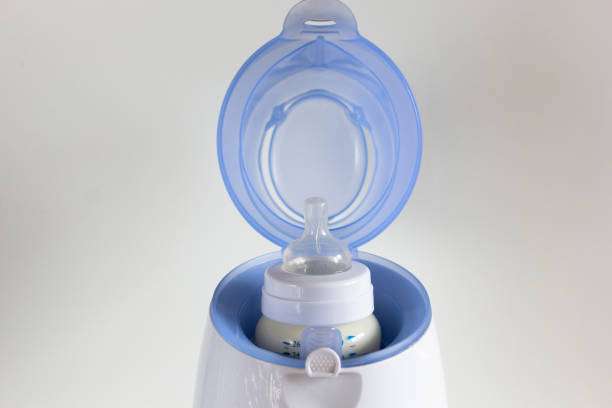
Plastic heaters are relatively delicate and can be easily damaged by excessive heat or harsh scrubbing. The recommended cleaning method is to use warm water and mild dishwashing liquid, then gently scrub with a soft cloth or sponge. If an odor develops after prolonged use, soaking the heater in baking soda and water and then rinsing it out is much more effective than using only water.
Silicone accessories
Silicone rings, gaskets, and other accessories are often overlooked, but they can harbor dirt and grime. We recommend removing them regularly and cleaning them separately. You can soak them in baby detergent or baking soda. If you notice the silicone turning yellow or hard, don’t worry; replace it promptly for safety.
Common Mistakes When Cleaning
Some people only rinse with clean water, thinking that it is clean enough; or they overuse disinfectants or strong acid cleaners, which damage the plastic or silicone; some people cover and put away the items after washing without drying them, which causes moisture to breed bacteria.
The correct way is: rinse thoroughly after cleaning, dry it or wipe it dry with a dry cloth, and keep it ventilated.
Daily maintenance tips:
1. Pour out the remaining water after each use, and do not leave overnight water;
2. Rinse briefly after use and perform a deep clean once a week;
3. Keep the heater dry and ventilated.
With just a few steps, the small heater can remain clean and hygienic, making the milk your baby drinks more reassuring.
Conclusion
cleaning a bottle warmer is regular cleaning and using the right method for the material . Whether it’s stainless steel, plastic, or silicone, proper cleaning ensures clean, safe milk for your baby and peace of mind for parents. Remember these few guidelines: drain out any excess water, rinse thoroughly, and store dry. These simple steps will keep bacteria at bay !