How does dry boil protection work? A breakdown of the bottle warmer ‘s safety logic

When most people first hear about “anti-dry boil” features, they might think they’re only needed for electric kettles. However, for a bottle warmer , it’s incredibly important. After all, parents won’t be constantly watching the device while it’s heating milk in the middle of the night. Whether the warmer can detect danger and stop operating determines its safety and lifespan.
Dry burning is actually the “self-destructive behavior” of electrical appliances
When there’s no water or too little water in the heater, the bottom heating plate still operates. Heat doesn’t have time to be absorbed by the water and is instantly concentrated on the metal plate, causing the temperature to rise dramatically. This can cause plastic components to soften, seals to age, and circuit boards to be affected by the high temperature. While it may seem like you simply forgot to add water, you’re actually overloading the machine.
Therefore, the emergence of the anti-dry-burn system has taught the bottle warmer to protect itself – when it detects something is wrong, it will automatically cut off the power supply to prevent tragedy from happening.
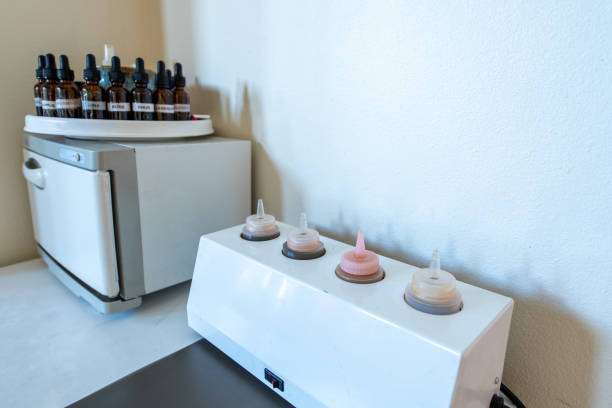
The judgment logic of anti-dry burning: not a simple temperature control
The anti-dry-burn system is not a switch that turns off the power when the temperature is too high, but a set of judgment logic. It mainly relies on two sensing methods:
the first is temperature monitoring. A thermistor is installed under the heating plate, which can sense the heating rate at any time. If the water volume is insufficient, the temperature will rise abnormally quickly. The control chip will immediately determine it as a “dry-burn risk” and cut off the power.
The second is water level detection. In some mid-to-high-end models, a metal probe or float structure will be added. When the water level is below the safety line, the system will directly block the heating command, and even “heating” will not start.
The two methods complement each other, making the heater sensitive without giving false alarms.

Why does it sometimes seem “unresponsive”?
Some parents have noticed that the machine continues to heat for a few seconds even after it’s out of water. This is actually the algorithm at work. The system will briefly assess the temperature after an abnormality occurs to confirm that it’s truly dry heating, not a temporary temperature fluctuation, such as a false signal caused by thick milk or a localized bubble. This prevents frequent false triggers, making the protection more intelligent, not more “neurotic.”
The invisible value of preventing dry burning
This system not only acts as a safety fuse to prevent accidents but also extends the life of the heater. Sustained high temperatures are the biggest threat to all components within the heater, especially the thermostat and seals. Anti-dry burn protection prevents these components from aging, ensuring longer-lasting stable operation. For manufacturers, it also reflects the maturity of circuit design and thermal management, a key indicator of product quality.
The role of the user: Don’t let the system work alone
When a machine develops a “self-protection awareness,” proper user use becomes its external aid. This synergy ensures the safety and longevity of this small bottle warmer . While the dry-boil prevention system may sound like a passive safety feature, it represents the fundamental principle of smart home appliances: enabling devices to protect themselves and their users before danger strikes.