
Bottle warmers have become a valuable aid for many parents during feedings . They not only quickly heat milk to the perfect temperature but also save time during cold mornings or nighttime feedings. However, some parents may encounter questions like: If the milk isn’t ideal after using a bottle warmer , is it safe to reheat it? Are there any risks associated with this? This article will provide detailed answers.
1. Common reasons for insufficient heating of baby bottles
a bottle warmer to underheat. The reasons for this may include the following:
Heater capacity or power limitation:
Some small bottle warmers have low power. If there is a large amount of milk in the bottle or the initial temperature of the milk is too low, it may not be heated to the ideal temperature in one go.
bottles
conduct heat more slowly than plastic bottles, and milk taken out of the freezer or refrigerator also takes longer to heat. If these factors are ignored, insufficient heating may occur.
Improper use of the heater
, such as insufficient water level or too short a heating time setting, will cause the milk temperature to not meet the standard.
Understanding these reasons can help parents determine whether secondary heating is really necessary and avoid unnecessary risks.
2. Safety Analysis of Secondary Heating
Whether reheating is safe depends mainly on two factors: temperature control and time management .
for
baby milk is around 37°C. Overheating can easily burn the mouth and esophagus. During the secondary heating process, if the heater temperature is not accurately controlled, it may cause local overheating of the milk, forming “hot spots” and increasing the risk of burns.
the heating
time is too long, it may destroy the nutrients in the milk powder, especially the immune factors and enzymes in breast milk. If the milk is stored for a long time after the second heating, it is also easy to breed bacteria.
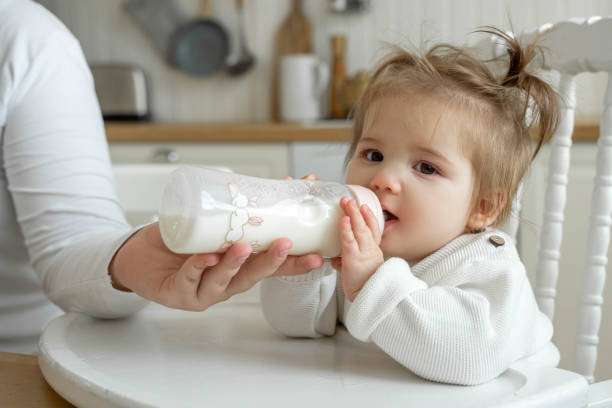
3. The correct method of safe secondary heating
To reduce the risk, parents can follow these steps when reheating:
First, check the temperature of the milk
using a professional milk thermometer to confirm whether it really needs to be reheated. Do not just test the temperature with the back of your hand, as feeling may not be accurate.
for a short time
or a second time, the heating time should be shortened and the milk should be stirred at intervals to make the temperature uniform and avoid local overheating.
Control the total number of heating times
and avoid repeated heating as much as possible. Reheating is allowed, but it is not recommended to exceed twice, otherwise it will significantly reduce the nutritional value of the milk.
Use a heater with precise temperature control.
Some high-end bottle warmers have constant temperature and timing functions, which can safely reheat the bottle when it is not heated enough without overheating.
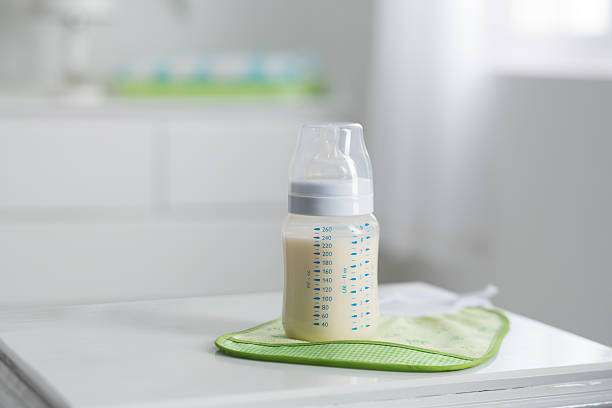
IV. Alternatives and Preventive Measures
If you frequently encounter the problem of insufficient heating of the bottle, you can also try the following methods:
Heat
the milk in advance by taking it out of the refrigerator to room temperature in advance, or use a constant temperature water bath to make it easier for the heater to reach the ideal temperature.
in batches
to reduce the problem of insufficient milk caused by overheating at one time.
Choose a heater with the right capacity.
Make sure the power and capacity of the bottle warmer are suitable for your household’s daily needs to avoid repeated heating.
Clean the heater regularly.
Scale or residual milk will affect the heating efficiency. Regular cleaning can ensure accurate and safe temperature.
V. Summary
a bottle warmer when it’s insufficiently heated is generally safe, provided the temperature and time are strictly controlled. However, parents must be careful not to overheat to avoid hot spots and nutrient loss. Proper milk volume, appropriate heater selection, and proper use are key to preventing underheating.