Avoid heating misunderstandings and let the bottle warmer become your baby’s safety guardian

Many parents buy bottle warmers , assuming that safety means their baby’s milk is also safe. In reality, improper use can still affect milk temperature and hygiene, potentially impacting the baby’s health. This article summarizes several common misconceptions and offers practical solutions to help parents maximize the protective power of a bottle warmer.
Avoid long-term heat preservation
Sometimes , to save time, people keep bottles warm in a heater for extended periods. However, bacteria multiply rapidly between 30°C and 50°C in milk. Continuously keeping milk warm can increase the risk of gastrointestinal discomfort in babies.
The recommended scientific practice is: after heating the bottle, it should be consumed within 30 minutes, and the remaining milk should not be reheated. For night feeding, you can prepare warm water in advance and reheat it when the baby wakes up. This saves time and is safer.
Shake well after heating
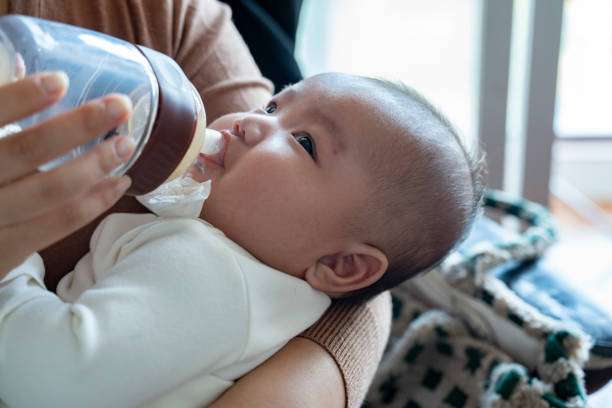
Many people think that once the bottle is heated evenly, they can feed it directly to their baby. However, there may still be a temperature difference between the top and bottom of the bottle. If you don’t shake it evenly, the bottom temperature will be too high, which may burn your baby’s mouth.
After heating, shake the milk gently and then drop it on the inside of your wrist to test the temperature to ensure it is close to body temperature. This will avoid local overscalding and ensure that the baby drinks milk at an even temperature.
Adjust the temperature according to the type of liquid
Different liquids have different temperature requirements. Breast milk contains active ingredients, and excessively high temperatures can destroy nutrients. Cooling formula water can cause incomplete dissolution, hindering the baby’s absorption. Overheating solid food can also scald the baby. Keep breast milk at around 37°C, formula water at around 40-50°C, and solid food purees according to package instructions. Understanding the characteristics of each liquid and choosing the right one is crucial for effective feeding.
Regular cleaning and descaling
Heaters are used daily, but many parents neglect to clean the sink. Scale and milk stains not only affect heating efficiency but can also breed bacteria, posing a potential safety hazard. It’s recommended to clean any remaining water daily, keep the appliance dry, and perform a weekly deep descaling with citric acid or vinegar. Regular maintenance can extend the life of the appliance and ensure milk safety.
Thawing frozen breast milk requires slow heating
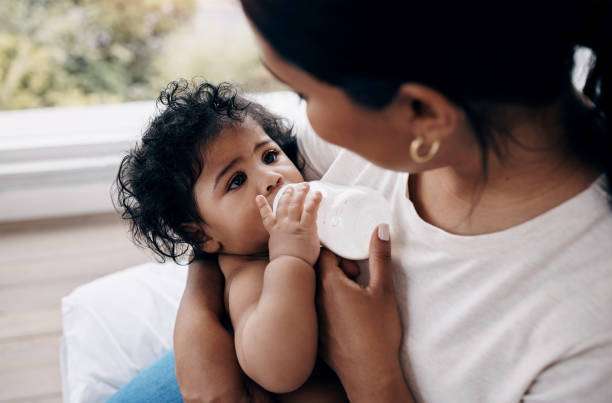
Some parents heat frozen breast milk directly at high temperatures, which will destroy the important active ingredients in breast milk. The correct way is to thaw it naturally in the refrigerator first, and then use the heater’s defrost mode to slowly warm it up.
Tips: Breast milk should not be frozen or heated repeatedly to ensure that every sip of milk your baby drinks is fresh and safe.
Summarize
A bottle warmer is a safe tool, but the key to safety lies in proper operation. Controlling the heating time, shaking the milk, operating it according to the type of liquid, cleaning it regularly, and thawing breast milk correctly are all key steps to making the device truly effective.
Some parents have found that after adjusting these small details, their babies drink more easily, experience significantly less nighttime stomach upsets, and feel more at ease when using the bottle warmer. Using a bottle warmer wisely isn’t just convenient; it’s a way to protect your baby’s safety.